

Glutathione: IV vs Oral – The Ultimate Guide for Your Wellness Journey
What is Glutathione? Your Body's Master Antioxidant
Glutathione is often called the "master antioxidant" for good reason. It's a tripeptide molecule composed of three amino acids: cysteine, glutamate, and glycine. Present in every single cell of your body, it serves as the primary defense system against oxidative stress and cellular damage.
Does Your Body Produce It?
Yes, absolutely. A healthy body synthesizes its own glutathione. Production occurs primarily in the liver, from where it's distributed throughout the body via the bloodstream. This endogenous production is a crucial part of our natural detoxification and protection systems.
The Aging Dilemma: Why Glutathione Declines
This is where the challenge begins. Starting in our late 20s to early 30s, our natural glutathione production begins a gradual decline. This decrease is accelerated by:
- Chronic stress (physical and emotional)
- Poor dietary choices
- Environmental toxins
- Chronic illnesses
- Certain medications
- Lack of sleep
- Intense physical training without adequate recovery
By age 60, glutathione levels can be significantly lower than in youth, contributing to increased oxidative damage, weaker immune function, and accelerated aging processes.
Dietary Sources: Can You Eat Your Glutathione?
While some foods contain glutathione itself, the bioavailability from food is relatively low because digestive enzymes can break it down before absorption. However, consuming glutathione-rich foods and, more importantly, foods that provide the building blocks for its synthesis is highly beneficial.
- Sulfur-rich vegetables: Garlic, onions, broccoli, kale, cauliflower, Brussels sprouts
- High-quality protein: Whey protein (specifically non-denatured, rich in cysteine), eggs, legumes
- Other key nutrients: Avocados, spinach, asparagus, okra, and fruits like watermelon and peaches
- Spices: Turmeric (curcumin), cinnamon, cardamom
Excellent dietary sources include:
Think of your diet as providing the raw materials for your body's own glutathione factory.
The Multifaceted Role of Glutathione: More Than Just an Antioxidant
- Cellular Defender: Neutralizes free radicals and reactive oxygen species, protecting DNA and cellular structures.
- Detoxification Powerhouse: Binds to toxins, heavy metals, and drug metabolites in the liver (Phase II detoxification) making them water-soluble for excretion.
- Immune System Regulator: Essential for optimal lymphocyte function, influencing both innate and adaptive immunity.
- Enzyme Activator: Crucial for the function of many antioxidant enzymes like glutathione peroxidase.
- Recycles Other Antioxidants: Regenerates vitamins C and E, restoring their antioxidant capacity.
- Cellular Energy & Vitality: Involved in mitochondrial function and energy production.
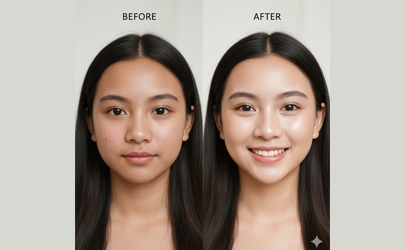
- Skin Health: Inhibits melanin synthesis, contributing to its popularity for skin brightening.
The Great Debate: Oral Supplementation vs. Intravenous (IV) Therapy
This is the core of our comparison. Each method has distinct advantages, limitations, and ideal use cases.
Oral Glutathione Supplements
How They Work:
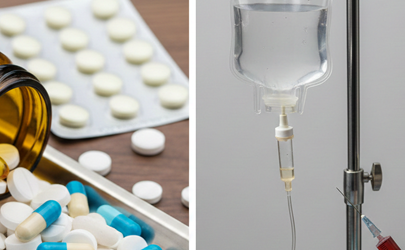
Taken as capsules, liposomal liquids, or sublingual forms. They must survive stomach acid, pass through the intestinal lining, and reach the bloodstream.
- Convenience & Accessibility: Easy to incorporate into a daily routine at home.
- Cost-Effective: Significantly more affordable long-term.
- Supports Gut Health: Can act as an antioxidant directly within the gastrointestinal tract.
- Building Block Approach: Many oral supplements use precursors (N-Acetylcysteine/NAC, Alpha-Lipoic Acid, Milk Thistle, Selenium) that effectively boost the body's own production.
- Liposomal Technology: Modern liposomal glutathione wraps the molecule in a phospholipid layer, dramatically improving absorption (some studies suggest up to 90-95% bioavailability).
Pros:
Cons & Challenges:
- Bioavailability Hurdle: Standard capsules may have poor absorption as glutathione can be broken down by digestive enzymes.
- Slower, Gradual Effect: Raises systemic levels more slowly and steadily.
- Dose Variability: Absorption can be affected by individual gut health and meal timing.
Drug Interactions (Oral):
- Caution with Nitroglycerin and Isosorbide: Glutathione may potentiate their effects, potentially causing severe headaches or low blood pressure.
- Immunosuppressants: Theoretical interaction as glutathione modulates immune function.
- Chemotherapy Drugs: A critical consultation point. While some studies suggest glutathione may protect healthy cells, it could theoretically interfere with certain chemo drugs' mechanisms. ONLY under oncologist supervision.
- Acetaminophen (Paracetamol): Glutathione is used by the liver to detoxify acetaminophen metabolites. Supplementation could be protective in overdose scenarios but may alter normal metabolism.
Intravenous (IV) Glutathione Therapy
How It Works: Bypasses the digestive system entirely, delivering 100% of the dose directly into the bloodstream.
- 100% Bioavailability: The entire dose reaches systemic circulation.
- Immediate, High Concentration: Creates rapid peak blood levels, useful for therapeutic "loading" or specific treatment goals.
- Direct Liver Passage: The entire dose passes through the liver first (hepatic first-pass), ideal for direct liver support or detox protocols.
- Measurable Results: Often used for specific aesthetic goals like skin lightening, where high concentrations are desired.
- Invasiveness & Cost: Requires a clinic visit, a medical professional, and is expensive per session.
- Risk of Infection/Injury: Any IV procedure carries minimal risks (infection, vein irritation, bruising).
- "Flash in the Pan" Effect: High peak levels may drop faster, requiring frequent sessions for sustained effect.
- Regulation Variability: Quality and sterility of clinics can vary.
- Similar concerns as oral, but more pronounced and immediate due to the high direct concentration.
- Chemotherapy: An even more critical conversation with an oncologist is required before considering IV glutathione during active treatment.
- Blood Thinners (Anticoagulants): Increased risk of bruising or bleeding at the injection site.
- Antidiabetic Medication: May potentially enhance insulin sensitivity; blood sugar should be monitored.
- You seek long-term, sustainable support for general wellness, aging, and chronic antioxidant needs.
- You prefer a cost-effective, daily maintenance strategy.
- You are using it to support detox pathways, immune function, or energy levels gradually.
- You opt for liposomal or sublingual forms for enhanced absorption.
- You have a specific, immediate therapeutic goal under medical supervision (e.g., certain liver conditions, Parkinson's disease support as studied in some trials).
- You are pursuing intensive aesthetic skin-brightening effects.
- You have severe malabsorption issues that preclude oral routes.
- A healthcare provider recommends a "loading" phase for a specific condition.
- Foundation First: Optimize your diet with glutathione-building foods. Manage stress and sleep—both critically impact your natural production.
- Daily Oral Support: Use a high-quality liposomal glutathione or a robust precursor supplement (like NAC) for consistent daily support. This maintains your baseline.
- Strategic IV Boosts (Optional): If desired and accessible, consider occasional IV treatments (e.g., quarterly or seasonally) for an intensive reset or boost, under professional guidance.
Pros:
Cons & Challenges:
Drug Interactions (IV):
The Verdict: Which Should You Choose?
Choose ORAL Glutathione if:
Choose IV Glutathione if:
The Synergistic Approach: A Practical Recommendation
For most people seeking anti-aging and wellness benefits, a combined strategy is often most effective:

Conclusion:
Always consult with a qualified healthcare professional, a functional medicine doctor, integrative physician, or knowledgeable naturopath before starting any new regimen. This is essential to assess your individual needs, check for contraindications, and navigate potential medication interactions safely.
Important Notice: The information provided in this article is for educational and informational purposes only. It is not intended as a substitute for professional medical advice, diagnosis, or treatment. Always seek the advice of your physician or other qualified health provider with any questions you may have regarding a medical condition or procedure. The views expressed here are based on scientific research available at the time of writing; however, the field of genetics is rapidly evolving. The author and publisher are not responsible for any errors or omissions or for any actions taken based on the information provided herein. Mention of specific clinical trials or therapies does not constitute an endorsement.
⚠️ Warning:
By continuing to read this article, you acknowledge that the author and publisher are not liable for any direct, indirect, or consequential effects resulting from the use of this information.
Lactic Acid
HERE

LEAVE A REPLY
Your email address will not be published. Required fields are marked *

Fast Delivery
Across West & East India

safe payment
100% Secure Payment

Online Discount
Add Multi-buy Discount

Help Center
Dedicated 24/7 Support

Curated items
From Handpicked Sellers
LEAVE A COMMENTs
Emma Watson
"Honestly, I'm more confused now! Came here looking for a simple answer on whether to try glutathione for my fatigue, but now I'm worried about drug interactions (I'm on antidepressants). The article is thorough but maybe too technical for beginners. Could you create a simpler flowchart: 'If you have X concern, consider Y option'?"
Kelly Patrick
The supplement market is a minefield! Bought 3 different glutathione brands before finding one that's third-party tested. Why isn't this regulated better?
Ria Daniel
Thanks for sharing your firsthand experience! The 'glutathione flush' you mentioned is indeed common with higher IV doses